
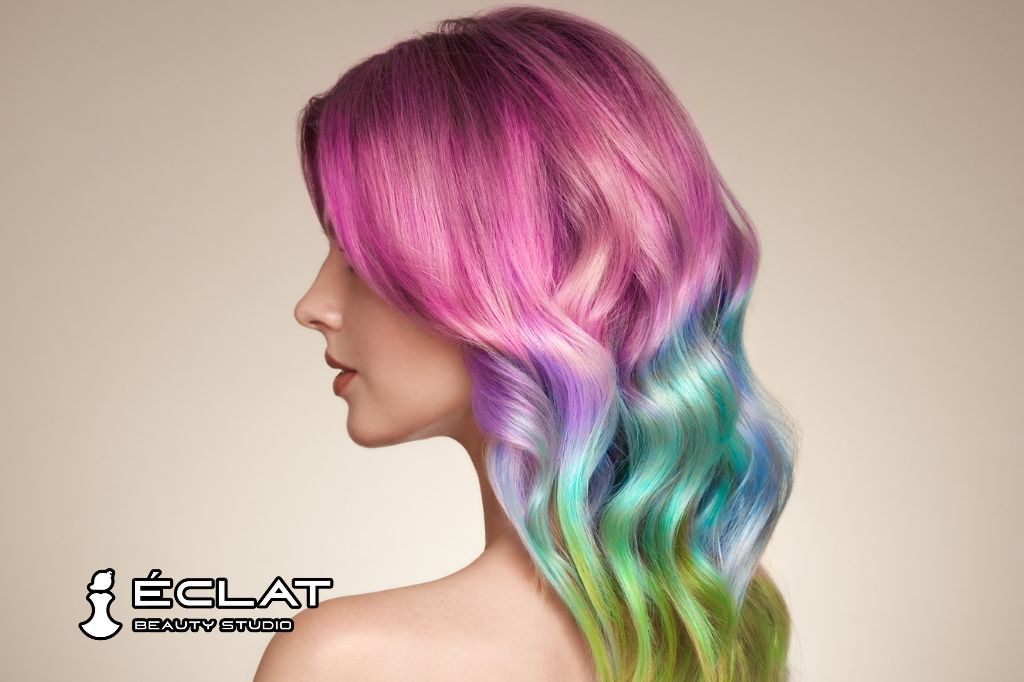
How to Protect Coloured Hair: 10 Tips for Longer-Lasting Colour
Coloured hair can look shiny, vibrant, and healthy when you follow the right hair care routine. However, frequent washing, heat styling, sunlight, and harsh products can cause hair colour to fade over time. Learning how to protect coloured hair can help you maintain your favourite shade for longer.
Whether you have chocolate brown hair, blonde highlights, balayage, or a bold new colour, a few simple habits can help preserve your results. The key is to protect your hair from damage, maintain moisture, and use products suited to colour-treated hair.
How to Protect Coloured Hair from Fading
The best way to protect coloured hair is to use colour-safe products, wash it gently, limit excessive heat, and protect it from environmental exposure. Regular conditioning and careful styling can also help maintain shine and reduce breakage, keeping your hair looking healthier between salon appointments.
1. Choose Shampoo and Conditioner for Coloured Hair
Colour-safe shampoo and conditioner are designed to support the needs of colour-treated hair. Some formulas help cleanse gently while maintaining moisture, which can be useful when your hair feels dry after colouring.
When choosing products, look for options labelled for colour-treated hair. A suitable conditioner can help smooth the hair, reduce friction, and make detangling easier.
Helpful tips:
- Choose a shampoo designed for colour-treated hair.
- Consider a sulphate-free formula if your current shampoo leaves your hair feeling dry or causes your colour to fade quickly.
- Apply conditioner mainly to the mid-lengths and ends if your roots become oily.
- Avoid switching products frequently without a clear reason.
No shampoo can prevent all colour fading. Your results will also depend on the shade, colouring process, hair condition, and your daily routine.
2. Avoid Washing Your Hair More Than Necessary
Frequent washing can contribute to colour fading, especially when you use hot water or a strong cleansing shampoo. Washing according to your scalp’s needs can help you maintain a clean scalp without unnecessarily stripping moisture from the lengths of your hair.
There is no single washing schedule that works for everyone. If your scalp becomes oily quickly, you may need to wash more often than someone with a dry scalp. The goal is to find a routine that keeps your scalp comfortable while caring for your coloured hair.
Try these habits:
- Use lukewarm water rather than very hot water.
- Massage shampoo gently into your scalp.
- Avoid scrubbing the lengths aggressively.
- Apply conditioner after shampooing.
- Use dry shampoo occasionally between washes if it suits your scalp.
If your colour fades quickly, review your shampoo and washing routine before adding more treatments.
3. Protect Coloured Hair from Heat Styling
Excessive heat from blow dryers, straighteners, and curling irons can damage the hair’s outer structure and contribute to dryness, dullness, and breakage. Protecting coloured hair from high heat helps maintain its appearance and makes it easier to manage.
You do not need to stop styling your hair completely. Instead, use heat carefully and avoid repeatedly passing hot tools over the same section.
For better protection:
- Apply a heat protectant suitable for your styling method.
- Use the lowest effective temperature.
- Avoid straightening hair while it is wet.
- Limit frequent high-heat styling.
- Allow your hair to air-dry partially when practical.
- Keep hot tools moving rather than holding them in one place.
Heat protectants can help reduce styling-related damage, but they do not make hair completely immune to heat. Gentle handling remains important.
4. Protect Your Hair from Sunlight
Prolonged sun exposure can contribute to colour changes, dryness, and brittleness. This is particularly relevant for hair that has been lightened or bleached, as it may already be more vulnerable to damage.
If you spend long periods outdoors, consider wearing a hat or using a hair product with UV protection when appropriate. These simple steps can help reduce direct exposure and support your colour-care routine.
During summer in Toronto, remember to protect your hair during outdoor walks, park visits, patio outings, and trips to the beach. Sun protection is useful throughout the year whenever you spend extended time outdoors.
5. Keep Coloured Hair Moisturised
Colour-treated hair can feel dry or rough, particularly after bleaching or lightening services. Conditioning helps improve softness, reduce friction, and make hair easier to detangle. Keeping the hair moisturised can also improve shine and make your colour look more vibrant.
Use a conditioner after shampooing and consider a suitable hair mask when your hair needs extra conditioning. Apply richer products mainly to the lengths and ends if your scalp tends to become oily.
Look for products designed to support:
- Moisture and softness
- Easier detangling
- Reduced friction and breakage
- Smoothness and shine
Remember that conditioning improves the feel and manageability of hair, but it cannot permanently repair severely damaged strands. If your hair feels unusually brittle after colouring, ask your stylist about appropriate care and future colour services.
6. Protect Coloured Hair When Swimming
Swimming pools and salt water can affect the feel and appearance of colour-treated hair. Chlorine exposure may contribute to dryness, while mineral deposits can sometimes affect the tone of lightened hair.
If you swim regularly, take a few precautions before and after getting into the water.
Before swimming:
- Wet your hair with clean water.
- Use a suitable swimming cap when practical.
- Consider a protective product intended for swimming if it suits your hair.
After swimming:
- Rinse your hair thoroughly with clean water.
- Use a gentle shampoo when needed.
- Condition the lengths and ends.
- Avoid adding excessive heat while your hair feels dry.
These habits can help reduce exposure and make post-swimming hair easier to manage.
7. Handle Wet Hair Gently
Wet hair can be more vulnerable to stretching and breakage, so rough towel-drying and forceful brushing may cause unnecessary damage. Breakage can make coloured hair look less full and leave the ends uneven or frizzy.
After washing, gently squeeze out excess water with a soft towel or microfibre towel. Avoid rubbing the hair vigorously. If you need to detangle it, use a suitable detangling brush or wide-tooth comb and work carefully from the ends upward.
This is especially important if your hair has been bleached, highlighted, or lightened. Gentle handling helps protect the hair’s condition between colour appointments.
8. Use Purple or Blue Shampoo Only When Appropriate
Some coloured hair develops unwanted warm tones as the colour changes over time. Purple and blue shampoos can help manage certain unwanted tones, but they are not necessary for every hair colour.
Purple shampoo is commonly used to help neutralise unwanted yellow tones in suitable blonde, silver, or highlighted hair. Blue shampoo may help neutralise orange tones in some brunette or lightened brown hair.
Use these products according to their instructions. Leaving them on for too long or using them too often may cause an unwanted colour cast or make the hair feel dry. If you are unsure which product suits your shade, ask your colourist before adding one to your routine.
9. Schedule Colour Maintenance at the Right Time
Different hair colours need different maintenance schedules. An all-over colour may need root touch-ups as new growth appears, while balayage can often grow out more softly because the lighter pieces are blended into the base.
Your schedule will depend on your natural hair colour, the shade you choose, the amount of contrast, and how quickly your hair grows.
For example:
- All-over colour: May need regular root maintenance.
- Highlights: May need touch-ups depending on placement and regrowth.
- Balayage: Often allows a softer grow-out.
- Gloss or toner: May be useful when the tone needs refreshing.
Avoid colouring your hair more often than necessary. Your stylist can help you balance your desired appearance with the condition of your hair.
10. Avoid Hair Care Habits That Cause Extra Damage
Protecting coloured hair is not only about buying the right products. Your everyday habits can also affect its condition, shine, and ability to retain a healthy appearance.
Try to avoid:
- Using very hot water every time you wash.
- Applying excessive heat without protection.
- Brushing or detangling aggressively.
- Using too many heavy products that leave buildup.
- Ignoring persistent dryness or breakage.
- Lightening your hair repeatedly without considering its condition.
- Using strong clarifying products too frequently.
If your hair becomes increasingly fragile, take a break from unnecessary chemical services and consult a professional about a suitable care plan.
How to Keep Coloured Hair Healthy and Shiny
Healthy-looking coloured hair usually needs a balance of gentle cleansing, conditioning, careful styling, and protection from environmental exposure. Consistency matters more than buying a large number of products or following complicated routines.
A simple weekly routine might include gentle washing as needed, conditioner after each wash, a suitable conditioning mask when required, and heat protection whenever you use hot tools. Adjust the routine based on your scalp, hair texture, colour service, and the condition of your ends.
If your hair feels rough or looks dull, consider whether it needs better conditioning, less heat, or a different shampoo. Sometimes a small adjustment is more useful than adding several new products.
How to Protect Different Hair Colours
Different shades can have different maintenance needs. Blonde hair, brunette hair, and balayage may require different products or salon refreshes depending on how the colour was achieved.
How to Protect Blonde and Highlighted Hair
Blonde and highlighted hair may need extra attention to moisture and breakage, particularly when significant lightening has been involved. Use suitable conditioning products, protect the hair from heat, and ask your stylist whether a toning product is appropriate for your shade.
Avoid using purple shampoo automatically after every wash. The correct frequency depends on the product and the tone you want to maintain.
How to Protect Brunette Hair
Brunette hair can lose shine or develop unwanted warm tones as the colour changes. Gentle washing, conditioning, and heat protection can help keep it looking smooth and glossy.
If you have chocolate brown, espresso, caramel, or ash brown hair, your colourist can recommend maintenance based on your specific shade. Highlights and balayage may require different care from an all-over brunette colour.
How to Maintain Balayage
Balayage usually has a blended transition between the natural root and lighter lengths. This can make regrowth less noticeable, but the lightened sections still need suitable care.
Use colour-safe products, condition the ends, and protect the hair from excessive heat. A gloss or toner may be useful when your colour needs a refresh, but not every balayage requires the same maintenance schedule.
How to Protect Coloured Hair in Toronto
For people in Toronto, protecting coloured hair means adjusting your routine to your activities and the weather. Cold outdoor conditions, indoor heating, summer sun, and frequent heat styling can all affect how your hair feels. These factors do not affect everyone equally, so focus on the problems you actually notice.
During colder months, use conditioner when needed and avoid excessive heat if your hair becomes dry. In summer, consider sun protection and rinse your hair after swimming. If you suspect mineral buildup from your water is affecting your hair, ask a professional whether a suitable clarifying or chelating product may help.
At Eclat Beauty Studio in Downtown Toronto, clients can discuss their hair colour, condition, and maintenance goals with a stylist. A personalised recommendation can help you decide how to care for your shade between colour appointments.
FAQs About Protecting Coloured Hair
The best colour-care routine depends on your shade, hair condition, washing habits, and styling preferences. These answers cover common questions about fading, washing, heat, and maintaining salon colour.
How Can I Protect My Coloured Hair from Fading?
Use a suitable colour-safe shampoo and conditioner, avoid unnecessarily hot water, protect your hair from excessive heat and sunlight, and condition regularly. Your colour will still change gradually over time, but gentle care can help maintain its appearance.
How Often Should I Wash Coloured Hair?
There is no universal schedule. Wash your hair according to your scalp’s needs and activity level. If frequent washing seems to contribute to dryness or fading, consider a gentler shampoo and review your routine without allowing scalp discomfort or buildup to develop.
Does Hot Water Make Hair Colour Fade?
Very hot water can contribute to dryness and may make colour-care routines less gentle. Lukewarm water is a sensible choice for washing coloured hair, followed by a suitable conditioner.
What Is the Best Shampoo for Coloured Hair?
Choose a shampoo designed for colour-treated hair that also suits your scalp. A gentle or sulphate-free formula may be useful for some people, but the best option depends on your hair and how well the product cleans without leaving it dry or weighed down.
How Can I Protect Coloured Hair from Heat Damage?
Apply a suitable heat protectant, use the lowest effective temperature, and reduce unnecessary use of straighteners and curling irons. Avoid repeated passes over the same section and never straighten wet hair with a tool designed for dry hair.
Can I Swim With Coloured Hair?
Yes, but take precautions. Wet your hair with clean water before swimming, consider a swimming cap, and rinse thoroughly afterward. Condition as needed, particularly if your hair feels dry after swimming.
How Do I Keep Coloured Hair Shiny?
Use a suitable conditioner, avoid excessive heat, and handle your hair gently. If your colour looks dull because its tone has changed, a stylist may recommend a gloss or toner rather than additional permanent colour.
How Often Should I Refresh My Hair Colour?
It depends on whether you have an all-over colour, highlights, balayage, or a toner. Your stylist can recommend a schedule based on regrowth, fading, the colour you want to maintain, and the condition of your hair.
Final Thoughts
Protecting coloured hair does not require a complicated routine. Gentle washing, suitable shampoo and conditioner, heat protection, sun precautions, and regular maintenance can all help your hair look healthier and your colour stay attractive for longer.
The most important step is to understand what your particular hair needs. Blonde highlights may require different toning care from chocolate brown hair, while balayage may have a different maintenance schedule from an all-over colour.
If you are unsure how to care for your shade, speak with a professional stylist who can recommend products and maintenance based on your hair’s condition and colour history.
