
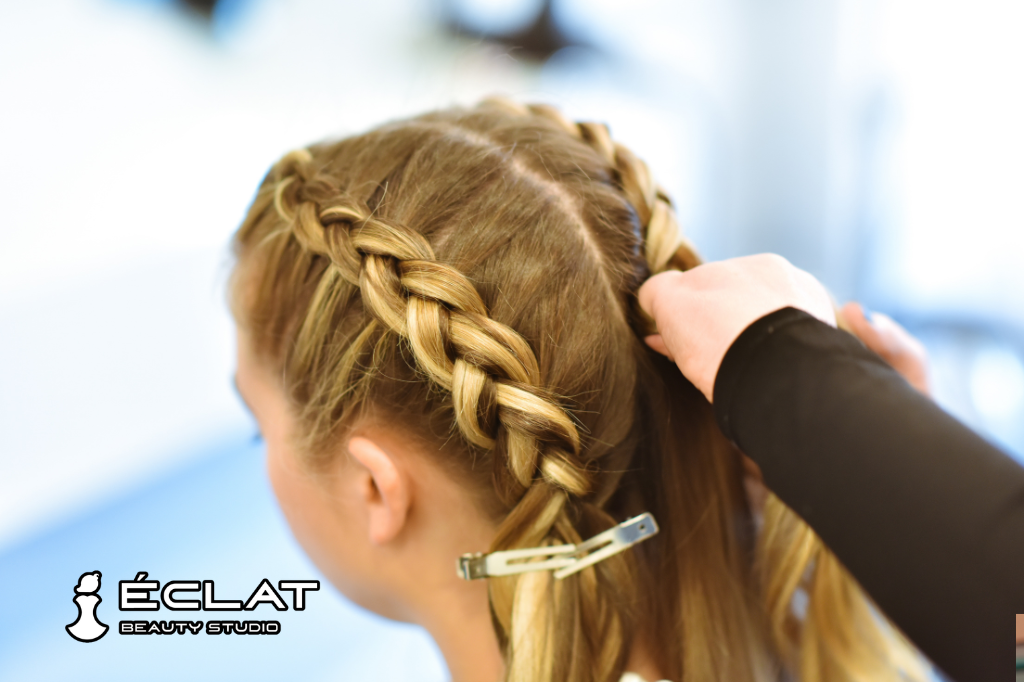
Braids have been a popular hairstyle for generations. They’re stylish, practical, and can be worn in many different ways. But one question continues to come up:
Do braids help your hair grow?
Many women believe that wearing braids will make their hair grow faster. Others worry that braids might damage their hair or even cause hair loss.
The truth is somewhere in between.
Braids do not directly make your hair grow faster, but when done correctly, they can help protect your hair from everyday damage and reduce breakage. This allows you to keep more of the length your hair naturally grows.
If you live in Toronto or anywhere in Canada, understanding how to care for braided hair is especially important because changing seasons, winter dryness, and summer humidity can all affect your hair and scalp.
Let’s separate the myths from the facts.
How Does Hair Actually Grow?
Before answering whether braids help your hair grow, it’s important to understand how hair grows.
Hair grows from tiny structures beneath your scalp called hair follicles. Every strand goes through a natural growth cycle that includes:
- Growing
- Resting
- Shedding
- Regrowing
For most people, hair grows about 1 to 1.5 centimetres each month. Genetics, hormones, age, nutrition, and overall health play a much bigger role in hair growth than your hairstyle.
This means your braid itself cannot make your hair grow faster.
Do Braids Make Your Hair Grow Faster?
The simple answer is no.
Braids do not speed up the hair growth cycle.
However, many women notice their hair looks longer after wearing braids for several weeks. This is because braids help protect the hair from damage.
Instead of increasing growth, braids can help you retain the length your hair naturally produces.
Think of it this way:
If your hair grows half an inch every month but constantly breaks at the ends, you may never notice any additional length.
Protective hairstyles reduce that breakage.
As a result, your hair appears to grow longer because you’re keeping more of what you’ve already grown.
Why Do Braids Help Reduce Hair Breakage?
One of the biggest benefits of braids is protection.
Loose, healthy braids keep hair organized and reduce daily stress on the strands.
Protective braids can help reduce:
- Friction against clothing
- Hair tangling
- Excessive brushing
- Daily manipulation
- Split ends
- Mechanical breakage
Everyday activities like brushing, styling, sleeping, and even wearing jackets can create friction that weakens hair over time.
Braids minimize much of that movement.
This is why many hairstylists recommend protective hairstyles for women trying to grow healthier hair.
Why Does Hair Look Longer After Taking Out Braids?
Many people think braids caused their hair to grow faster.
What actually happened is that less hair broke off during those weeks.
Normally, hair experiences:
- Brushing damage
- Heat styling
- Wind exposure
- Friction
- Tangles
Braids help reduce these daily stresses.
When you remove the braids, you’ve simply retained more of your natural growth.
Can Braids Damage Your Hair?
Yes.
Braids are only beneficial when installed correctly.
Braids that are too tight may place constant tension on the scalp.
Over time this may lead to:
- Scalp soreness
- Hair breakage
- Receding hairline
- Thinning edges
- Traction alopecia
Traction alopecia is a type of hair loss caused by repeated pulling on the hair follicles.
The good news is that it is often preventable by avoiding excessive tension and giving your hair regular breaks.
Healthy braids should never cause pain.
If your scalp hurts after getting braids, they are likely too tight.
Which Types of Braids Are Better for Healthy Hair?
Not every braid affects the hair the same way.
Lower-tension styles are generally healthier.
Popular protective styles include:
Knotless Braids
Knotless braids place less tension on the scalp compared to traditional box braids.
Many women find them more comfortable and easier on the hairline.
Box Braids
Box braids remain one of the most popular protective hairstyles.
When installed correctly and not worn for too long, they can help reduce daily hair manipulation.
Loose French Braids
French braids work well for everyday protection.
They help prevent tangles while keeping the scalp comfortable.
Two-Strand Twists
Twists are another gentle protective style that reduces breakage while maintaining flexibility.
How Should You Care for Your Hair While Wearing Braids?
Many people assume they don’t need to care for their hair once it is braided.
That’s one of the biggest mistakes.
Healthy braided hair still needs regular maintenance.
Keep Your Scalp Clean
Product buildup, sweat, and oils can collect around the scalp.
Gentle cleansing helps maintain scalp health.
Moisturize Your Hair
Braided hair still needs moisture.
Lightweight leave-in conditioners or hydrating sprays help reduce dryness without creating heavy buildup.
Protect Hair While Sleeping
Sleeping on a silk or satin pillowcase or wearing a satin bonnet helps reduce friction and keeps braids looking neat for longer.
Avoid Constant Tight Styling
Pulling braided hair into tight buns or ponytails every day places additional stress on the hairline.
How Does Toronto Weather Affect Braided Hair?
Living in Toronto means your hair experiences very different weather conditions throughout the year.
Winter
Cold outdoor temperatures combined with indoor heating often dry out both the scalp and hair.
This can lead to:
- Dry scalp
- Itching
- Flaking
- Brittle hair
Hydrating your scalp regularly becomes even more important during Canadian winters.
Summer
Summer humidity creates different challenges.
Humidity can increase:
- Frizz around the roots
- Scalp sweat
- Product buildup
Keeping the scalp clean while maintaining moisture helps braided hair stay healthy throughout the season.
How Long Should You Keep Braids In?
Protective styles are meant to be temporary.
Leaving braids in for too long may increase tangling, buildup, and unnecessary stress on the hair.
The ideal timeframe depends on:
- Hair type
- Scalp health
- Braid style
- Hair growth rate
Regular maintenance appointments help keep both the scalp and hair healthy.
When Should You Visit a Professional Braiding Salon?
Professional installation makes a significant difference.
An experienced stylist understands:
- Proper braid tension
- Hair density
- Scalp condition
- Protective styling techniques
- Hairline protection
If you’re considering protective braids and want a style that supports healthy hair while minimizing breakage, the experienced stylists at Eclat Beauty in Downtown Toronto can recommend braid styles based on your hair type, scalp health, and lifestyle.
Frequently Asked Questions
Do braids help your hair grow faster?
No. Braids do not increase your hair’s natural growth rate, but they can help reduce breakage so you retain more length.
Are braids good for hair growth?
They can support healthy hair by protecting it from everyday damage when installed and maintained properly.
Can tight braids cause hair loss?
Yes. Braids that are too tight may contribute to traction alopecia and thinning around the hairline.
Should I moisturize my hair while wearing braids?
Yes. Keeping both your scalp and hair moisturized helps reduce dryness and supports healthier hair.
What are the best protective braids?
Knotless braids, loose box braids, French braids, and two-strand twists are commonly recommended because they place less tension on the scalp when done correctly.
Final Thoughts
Braids are a great protective hairstyle, but they are not a shortcut to faster hair growth. Your hair grows from the follicles beneath your scalp, and no hairstyle can change your natural growth rate.
What braids can do is protect your hair from everyday damage, reduce breakage, and help you retain the length you naturally grow. When combined with a healthy scalp, proper hydration, balanced nutrition, and regular hair care, protective braids can play an important role in maintaining stronger, healthier hair.
Whether you wear braids occasionally or as part of your regular hair care routine, the key is choosing styles that protect your hair rather than place unnecessary stress on it. Healthy hair isn’t just about growth—it’s about preserving the hair you already have and giving it the care it needs to thrive.
