
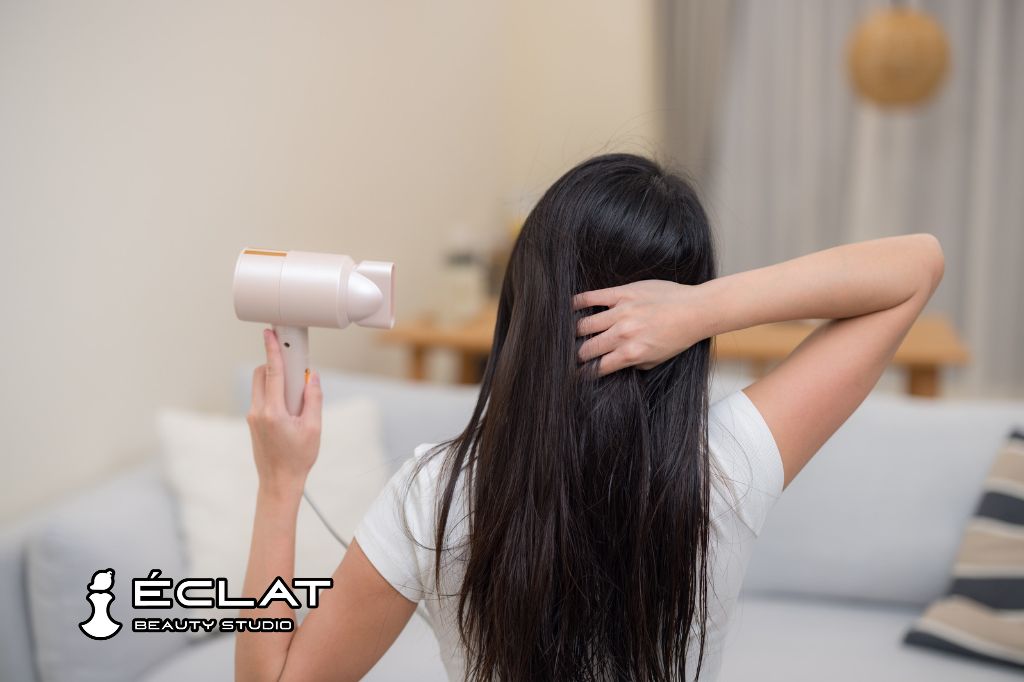
Winter can be tough on your hair. You may notice more flyaways, frizz, and hair that sticks to your clothes or stands up when you brush it. These problems often become worse when cold outdoor air meets dry indoor heating. The good news is that a few changes to your hair care routine can help reduce static and keep your hair feeling smoother throughout the winter.
If you live in Toronto, you may experience these issues regularly during the colder months. Spending time outside in cold weather and then moving into heated homes, offices, or shopping centres can affect how your hair feels and behaves.
In this guide, we explain what causes static hair in winter and share practical ways to prevent it.
Why Does Hair Become Static in Winter?
Static hair happens when an electrical charge builds up on your hair strands. This often occurs when hair rubs against materials such as clothing, scarves, hats, and brushes. Dry winter air makes it easier for this charge to remain on your hair, causing strands to repel each other.
As a result, your hair may look fluffy, feel difficult to manage, or stick to your face and clothes. Static can affect different hair types, but fine, dry, and damaged hair may be more noticeable.
How Dry Indoor Air and Heating Affect Your Hair
Indoor heating makes homes, offices, and other spaces more comfortable during winter, but it can also lower indoor humidity. When the air becomes dry, hair may lose moisture more easily and become harder to manage.
Dry hair is often more likely to develop flyaways and static, especially when combined with friction from clothing or brushing. You may notice this when you remove a sweater, take off a winter hat, or brush your hair after spending time indoors.
A simple way to improve your routine is to focus on gentle cleansing, regular conditioning, and reducing friction throughout the day.
Why Hats, Scarves, and Winter Clothing Make Static Worse
Winter accessories can create friction as they move against your hair. Materials such as wool and some synthetic fabrics may make static more noticeable, especially when your hair is already dry.
For example, taking off a wool hat can leave your hair lifted, tangled, or full of flyaways. Scarves and high collars can also rub against the ends of your hair throughout the day.
You do not need to stop wearing winter accessories. Instead, choose smoother fabrics where possible and protect your hair from unnecessary rubbing.
How to Prevent Static Hair in Winter
The best way to prevent static hair is to keep your hair conditioned, reduce friction, and avoid habits that make dryness worse. You do not need an expensive routine. Small changes to your shampoo, conditioner, brushing habits, and winter accessories can make a difference.
Here are practical ways to keep static under control.
1. Use a Moisturizing Shampoo and Conditioner
A gentle shampoo and moisturizing conditioner can help keep your hair feeling soft and manageable during winter. Cleansing removes dirt, oil, and product buildup, while conditioner helps smooth the hair and reduce friction between strands.
Choose products that suit your hair type. Fine hair may need a lightweight conditioner, while thick, coarse, or naturally dry hair may benefit from a richer formula.
When washing your hair:
- Focus shampoo mainly on your scalp.
- Avoid using very hot water.
- Apply conditioner through the mid-lengths and ends.
- Rinse according to the product instructions.
- Avoid washing more often than your hair needs.
If your hair feels dry after every wash, consider whether your current products are suitable for your hair type.
2. Apply Leave-In Conditioner or Hair Serum
Leave-in conditioner and hair serum can help control flyaways and make hair easier to manage. These products add conditioning benefits without requiring another wash, making them useful during cold weather.
Apply a small amount to damp or dry hair, following the product instructions. Focus on the mid-lengths and ends rather than applying too much near the roots.
The right product depends on your hair texture:
- Fine hair usually needs a lightweight leave-in spray.
- Thick or coarse hair may benefit from a cream-based leave-in conditioner.
- Dry ends may respond well to a small amount of smoothing serum.
- Curly hair may need a leave-in product that supports moisture and curl definition.
Start with a small amount. Applying too much product can make hair look greasy or flat, especially if it is naturally fine.
3. Choose the Right Hairbrush and Comb
Your hairbrush can affect how much friction your hair experiences during styling. Some plastic brushes may contribute to static, particularly when your hair is dry.
Try a good-quality brush designed for your hair type. A wide-tooth comb can also help detangle wet or curly hair more gently.
For better results:
- Avoid brushing your hair aggressively.
- Start detangling from the ends and work upward.
- Use a wide-tooth comb for knots.
- Avoid repeatedly brushing dry hair throughout the day.
- Clean your brush regularly to remove loose hair and product buildup.
If your hair becomes static after brushing, try using a small amount of leave-in conditioner before styling.
4. Reduce Friction from Winter Clothing
Your winter clothing can contribute to static, especially when it rubs against your hair throughout the day. Hats, scarves, sweaters, and coats can all create friction.
You can reduce this by choosing smoother fabrics for items that come into direct contact with your hair. A satin-lined hat or a smoother scarf lining may help reduce rubbing.
You can also:
- Avoid pulling hats on and off repeatedly.
- Tie longer hair loosely before wearing a scarf.
- Choose hairstyles that keep the ends protected.
- Avoid tight hairstyles that pull on your hair.
These small adjustments can make winter styling easier without changing your wardrobe completely.
5. Use a Humidifier Indoors
If your home or office feels especially dry during winter, a humidifier may help improve indoor comfort. Adding moisture to the air can reduce the dryness associated with indoor heating.
Place the humidifier in a suitable area and follow its cleaning and maintenance instructions. Keep indoor humidity at a comfortable level and avoid excessive moisture, which can encourage mould growth.
A humidifier is not a direct hair treatment, but it may help reduce one environmental factor associated with winter static.
6. Avoid Excessive Heat Styling
Frequent use of blow dryers, straighteners, and curling irons can make already dry hair feel rougher. Combining excessive heat with cold weather and dry indoor air may make hair harder to manage.
You do not have to stop styling your hair completely. Instead, use heat tools carefully.
Try these habits:
- Apply a suitable heat protectant before using hot tools.
- Use a moderate temperature setting.
- Avoid repeatedly passing a straightener over the same section.
- Let your hair air-dry partially when practical.
- Take breaks from heat styling when your hair feels dry.
If you use heat tools regularly, consider choosing hairstyles that need less daily styling.
7. Protect Your Hair When Wearing Winter Hats
Winter hats keep you warm, but they can also flatten your hairstyle and create friction. This is especially noticeable when you remove a hat and find your hair full of flyaways.
To reduce the problem, choose a hat with a smooth lining and avoid wearing it too tightly. You can also loosely tie long hair or tuck it into a scarf without pulling it.
Before leaving home, apply a small amount of a suitable smoothing product to the ends if needed. Keep the amount light so your hair does not look oily when you remove your hat.
8. Avoid Overwashing and Rough Towel Drying
Washing your hair too frequently may leave some hair types feeling dry, especially if you use a strong cleansing shampoo. Rough towel drying can also create friction and contribute to frizz and flyaways.
Try adjusting your washing routine based on your scalp and hair needs. After washing, gently squeeze out excess water instead of rubbing your hair with a towel.
A soft microfibre towel or a clean cotton T-shirt can be a gentler option for drying. If you have curly hair, gently scrunching rather than rubbing can help preserve your natural curl pattern.
Winter Hair Care Tips for Different Hair Types
Not every hair type responds to winter conditions in the same way. Fine, curly, coloured, and naturally dry hair may need different products and styling habits. Choosing a routine that suits your hair texture can help you manage static without making your hair feel heavy.
Fine Hair
Fine hair can become static easily, but heavy oils and creams may make it look flat. Choose lightweight conditioners, leave-in sprays, and small amounts of smoothing products.
Avoid applying rich products directly to your roots unless the product is designed for that purpose.
Curly Hair
Curly hair can become dry and difficult to manage during winter. Use a suitable conditioner and leave-in product to help maintain softness and curl definition.
Avoid excessive brushing when your curls are dry. Instead, detangle gently when your hair is damp and conditioned.
Coloured Hair
Colour-treated hair may feel dry or rough depending on its condition and the colouring process. Use products made for colour-treated hair and avoid excessive heat styling.
Conditioning regularly can help improve manageability. If you are concerned about dryness or fading, ask your hairstylist about suitable maintenance options.
Thick or Coarse Hair
Thick and coarse hair may need richer conditioning products to stay manageable. A suitable leave-in cream or smoothing serum can help control flyaways and reduce friction.
Apply products gradually and focus on the areas that feel driest, usually the mid-lengths and ends.
When Can a Professional Hair Treatment Help?
If your hair continues to feel dry, rough, or difficult to manage despite changing your home routine, a professional hair consultation may help you understand what it needs. A hairstylist can assess your hair’s texture, condition, and styling habits before recommending suitable care options.
At Eclat Beauty in Downtown Toronto, you can discuss your hair concerns with a stylist and explore suitable hair care and treatment services. The right option depends on your hair condition and goals. A professional consultation can help you avoid choosing a treatment that does not suit your hair.
Remember that no salon treatment can completely prevent static in every situation. Your everyday hair care routine and the indoor environment also play important roles.
Frequently Asked Questions
Why does my hair get so static in winter?
Hair often becomes static in winter because cold outdoor conditions and indoor heating can create a dry environment. Friction from hats, scarves, clothing, and brushes can also cause electrical charges to build up on hair strands.
How can I get rid of static hair quickly?
Apply a small amount of leave-in conditioner or smoothing serum to the affected areas. You can also lightly dampen your hands and smooth down flyaways. Avoid using too much product, as it may make your hair greasy.
Does conditioner help prevent static hair?
Yes. Conditioner helps smooth the hair and reduce friction between strands. Using a conditioner suited to your hair type can make hair easier to manage and may help reduce static.
Does indoor heating cause static hair?
Indoor heating can lower humidity, making the air feel dry. Dry conditions can make static more noticeable, especially when hair rubs against clothing, hats, or brushes.
Does a humidifier help with static hair?
A humidifier may help by adding moisture to dry indoor air. It does not directly treat your hair, but maintaining comfortable indoor humidity may help reduce one of the conditions that contributes to static.
What is the best way to prevent static hair when wearing a hat?
Choose a hat with a smooth lining, avoid tight-fitting styles, and use a lightweight leave-in product if needed. You can also loosely tie longer hair to reduce friction.
Is static hair a sign of damaged hair?
Not necessarily. Static is common in winter and can happen to healthy hair. However, dry, rough, or damaged hair may be more difficult to manage and more prone to flyaways. If you also notice significant breakage or changes in your hair, consider speaking with a qualified professional.
Keep Your Hair Smooth and Manageable This Winter
Static hair can be frustrating, especially when it keeps returning after brushing or removing a winter hat. The best approach is to keep your hair conditioned, reduce friction, choose suitable styling products, and pay attention to the dryness of your indoor environment.
If you are unsure which products or treatments suit your hair, a professional consultation can help you choose a routine based on your hair type and condition.
Visit Eclat Beauty in Downtown Toronto to discuss your hair care needs and explore suitable salon services for healthier-looking, more manageable hair throughout the winter.
