
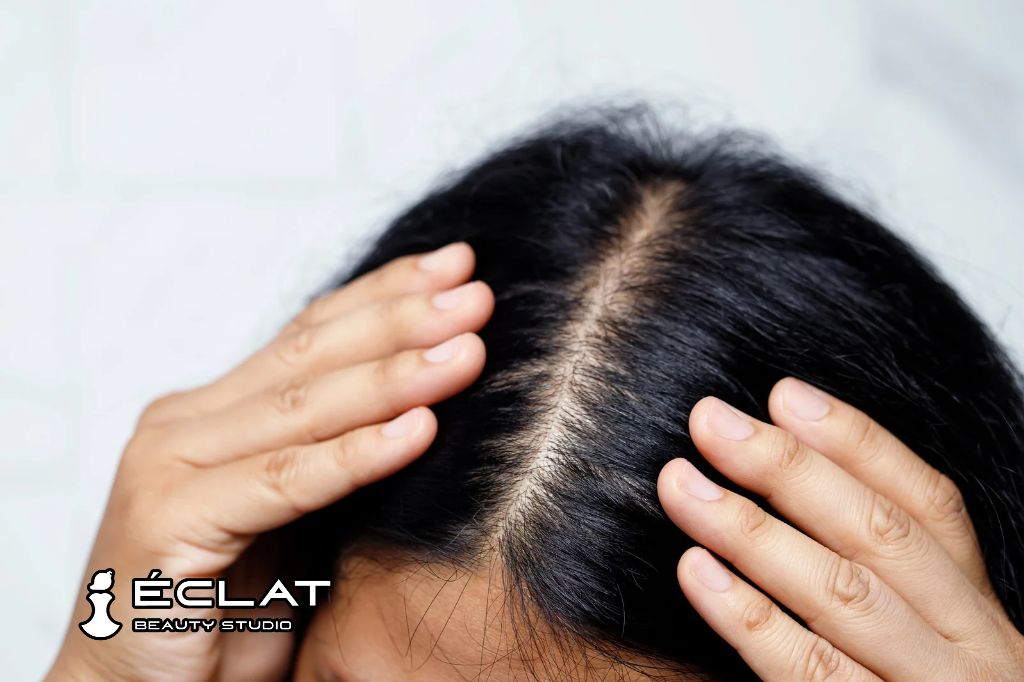
An itchy scalp can become more common during winter. Cold outdoor air, low humidity, indoor heating and hot showers can leave your scalp feeling dry and uncomfortable. You may notice itching, tightness or small flakes, even if your scalp feels normal during warmer months.
The good news is that a few changes to your hair care routine may help improve scalp comfort. Understanding what causes winter scalp itching is the first step toward choosing the right care.
Why Does Your Scalp Get Itchy in Winter?
Your scalp can become itchy in winter because cold weather and dry indoor air can reduce moisture in the skin. Frequent hot showers, harsh shampoos and friction from winter hats may also contribute to irritation. However, not every itchy scalp is caused by dryness.
Here are some common reasons your scalp may feel uncomfortable during colder months.
1. Cold Weather and Low Humidity
Cold outdoor air often contains less moisture than warm air. When you spend time outside, your scalp may become dry, especially if it is already sensitive.
Moving between cold outdoor temperatures and warm indoor environments can also make your skin feel uncomfortable. This change may contribute to dryness, tightness and itching.
2. Dry Indoor Heating
Indoor heating keeps your home and workplace comfortable, but it can also reduce indoor humidity. Spending long hours in heated rooms may contribute to dry skin, including the skin on your scalp.
If your scalp feels itchy even when you are indoors, dry air could be one factor. Using a humidifier may help maintain a more comfortable level of indoor humidity.
3. Hot Showers and Frequent Shampooing
A hot shower may feel relaxing during winter, but very hot water can remove some of the natural oils that help protect your scalp.
Washing your hair too frequently with a harsh shampoo may also leave your scalp feeling dry or irritated.
Try these simple changes:
- Use lukewarm water instead of very hot water.
- Choose a gentle shampoo suitable for your scalp.
- Avoid scrubbing your scalp aggressively.
- Adjust your washing routine based on your hair type and scalp condition.
You do not necessarily need to wash your hair less often. The right frequency depends on your scalp, hair texture, activity level and product use.
4. Winter Hats and Scarves
Hats and scarves help protect you from cold weather, but they can sometimes contribute to scalp discomfort.
Tight headwear may create friction, while sweat and product buildup underneath a hat can make your scalp feel uncomfortable. Some fabrics may also irritate sensitive skin.
Choose comfortable headwear that is not too tight. Wash hats and scarves regularly, especially if you wear them often.
5. Hair Products That Irritate Your Scalp
A new shampoo, conditioner, hair spray or styling product may cause irritation in some people. Fragrances and certain ingredients can trigger sensitivity or contact dermatitis.
If your scalp started itching after introducing a new product, consider stopping its use and observing whether the irritation improves. Avoid applying several new products at once, as this makes it harder to identify the possible trigger.
Dry Scalp vs Dandruff: How to Tell the Difference
Dry scalp and dandruff can both cause itching and visible flakes, but they are not the same condition. Dry scalp is often associated with a lack of moisture, while dandruff is commonly linked to scalp inflammation and a response to Malassezia yeast. Their symptoms can overlap, so appearance alone cannot always confirm the cause.
Here are some general differences:
Dry Scalp
A dry scalp may cause:
- Small, dry flakes.
- A tight or uncomfortable feeling.
- Mild itching.
- Dryness that may also affect other areas of the skin.
Dryness can become more noticeable during cold weather or when indoor humidity is low.
Dandruff
Dandruff may cause:
- White or yellowish flakes.
- Itching that may continue throughout the year.
- Visible flakes on the hair or shoulders.
- Sometimes redness or an oily scalp.
Dandruff may become worse during winter for some people. It is not simply a sign that the scalp needs more moisture.
What About Other Scalp Conditions?
Persistent itching, redness, thick scales or irritation may be associated with conditions such as seborrheic dermatitis, eczema, psoriasis or contact dermatitis.
If you are unsure what is causing your symptoms, a dermatologist can help identify the condition and recommend suitable treatment. Changing shampoos or adding oils will not address every cause of scalp itching.
How to Relieve an Itchy Scalp in Winter
A gentle and consistent hair care routine may help reduce dryness and discomfort during winter. Start with simple changes rather than trying several treatments at once. Pay attention to how your scalp responds and avoid products that make the irritation worse.
1. Choose a Gentle Shampoo
The shampoo you use can affect how your scalp feels after washing. If your scalp is dry or sensitive, look for a gentle shampoo that cleans without leaving your scalp feeling tight.
Consider these tips:
- Avoid shampoos that leave your scalp feeling uncomfortable.
- Choose products suited to your scalp condition.
- Rinse thoroughly to remove product residue.
- Follow the product instructions if using a medicated shampoo.
If you have dandruff, a dermatologist or pharmacist can help you choose an appropriate anti-dandruff shampoo.
2. Use Conditioner Correctly
Conditioner helps improve the softness and manageability of your hair. It can also reduce friction during brushing, which is useful when hair becomes dry and tangled in winter.
Apply conditioner mainly to the mid-lengths and ends if your roots become oily easily. Some products are designed for scalp application, but you should follow their instructions rather than assuming every conditioner is suitable for the scalp.
3. Avoid Very Hot Water
Hot showers may feel good when temperatures drop, but they can make dryness worse for some people.
Use lukewarm water when washing your hair. Avoid spending too much time under hot water, and gently pat your hair dry with a towel instead of rubbing it aggressively.
These small adjustments can make your winter hair washing routine more comfortable.
4. Keep Your Scalp Comfortable and Hydrated
Dry indoor air may contribute to scalp discomfort, so consider improving the environment around you as well as your hair care routine.
You can try:
- Using a humidifier in frequently heated rooms.
- Drinking enough water throughout the day.
- Avoiding excessive heat styling.
- Choosing gentle hair care products.
- Avoiding unnecessary scratching.
Remember that applying heavy oils directly to an itchy scalp is not always helpful. Some scalp conditions can become worse with unsuitable products or excessive buildup.
5. Clean Your Winter Hats and Accessories
Hats, scarves and hair accessories can collect sweat, oil and styling product residue. Regular cleaning helps keep them fresh and may reduce irritation caused by buildup.
Choose soft materials that feel comfortable against your skin. Avoid wearing tight hats for long periods if they cause friction or discomfort.
Winter Scalp Care Tips for Different Hair Types
Your hair type can influence which products and routines feel comfortable, but the cause of scalp itching still matters. A routine that works for someone with thick, curly hair may not suit someone with fine or oily hair.
Fine Hair
Fine hair can become weighed down by heavy conditioners and oils. Choose lightweight products and apply conditioner mainly to the lengths and ends.
Curly and Textured Hair
Curly and textured hair may benefit from a conditioning routine that helps reduce dryness and tangling. Avoid rough towel drying and use a gentle detangling method.
Coloured or Chemically Treated Hair
Colour-treated hair may need extra conditioning to manage dryness along the lengths. Choose products designed for coloured hair, but remember that hair colour treatments do not diagnose or treat scalp conditions.
If your scalp becomes irritated after a colour service or another chemical treatment, contact your salon and seek medical advice if symptoms continue.
Oily Scalp
An oily scalp can still feel itchy. Avoid assuming that itching always means dryness. Use a shampoo suited to your scalp and avoid adding heavy products that cause further buildup.
When Should You See a Dermatologist?
Occasional dryness may improve with gentle hair care changes, but persistent or severe itching should not be ignored. If your scalp is painful, swollen, very red or developing sores, it is important to seek medical advice rather than relying on home remedies or salon treatments.
Consider seeing a dermatologist if you experience:
- Itching that continues despite changing your hair care routine.
- Thick or persistent flakes.
- Red, inflamed or painful areas.
- Scabs, sores or bleeding from scratching.
- Sudden or noticeable hair loss.
- Symptoms that spread beyond your scalp.
A dermatologist can examine your scalp and determine whether the cause is dryness, dandruff, an allergic reaction or another skin condition.
Frequently Asked Questions
Why does my scalp get itchy in winter?
Cold weather, low humidity and indoor heating can contribute to scalp dryness. Hot showers, harsh shampoos and friction from winter hats may also cause discomfort.
Can cold weather cause a dry, itchy scalp?
Yes. Cold air and low humidity can contribute to skin dryness, including on your scalp. Indoor heating may make the environment even drier.
How can I stop my scalp from itching in winter?
Start with a gentle shampoo, lukewarm water and a suitable conditioning routine. Avoid products that irritate your scalp and consider using a humidifier if indoor air is very dry.
Is an itchy scalp always a sign of dandruff?
No. An itchy scalp can result from dryness, product irritation, sensitivity or different scalp conditions. Dandruff is only one possible cause.
