
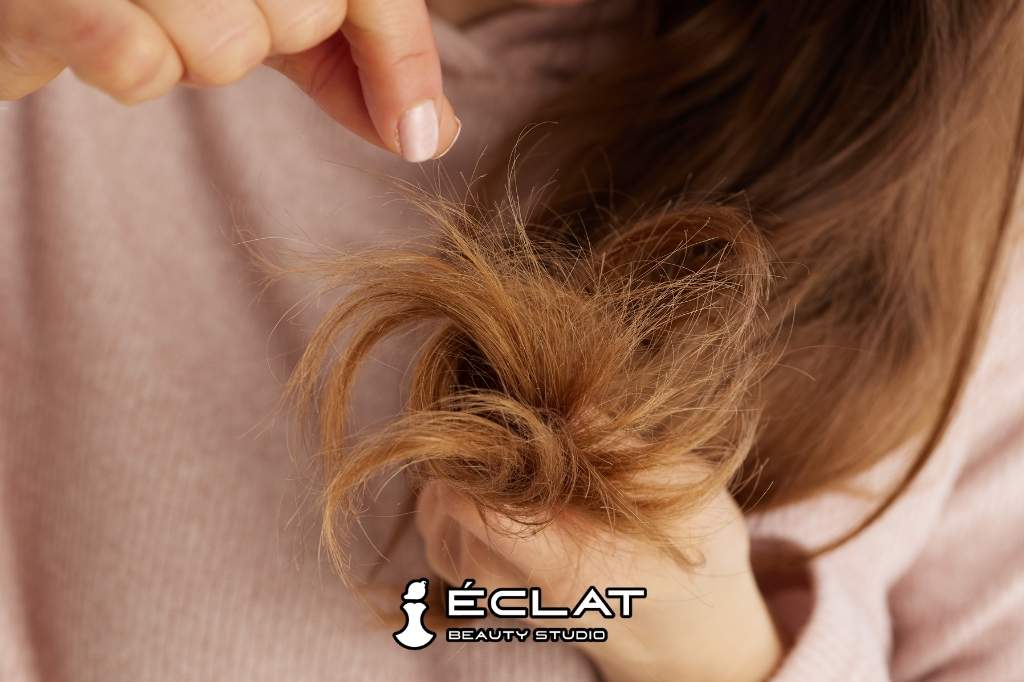
If you regularly use a flat iron, curling iron, blow dryer, or hot styling tools, your hair goes through a lot of stress. While these tools can help create beautiful hairstyles, frequent heat styling can gradually damage your hair if it’s not properly protected.
You may notice your hair becoming dry, frizzy, rough, or difficult to manage. Some people also experience split ends, breakage, and a loss of shine. These are common signs of heat damage.
The good news is that while severely damaged hair cannot be completely reversed, there are many ways to improve its condition, reduce further damage, and restore a healthier appearance.
If you live in Toronto or anywhere in Canada, changing seasons can make heat damage even worse. Cold winters, indoor heating, and summer sun can all affect your hair’s moisture levels. By combining the right home care with professional salon treatments, you can help your hair feel softer, stronger, and healthier.
Everything You Need to Know About Repairing Heat-Damaged Hair
What Causes Heat-Damaged Hair?
Heat-damaged hair happens when high temperatures weaken the protective outer layer of the hair. Repeated use of styling tools removes moisture from the hair, making it dry, brittle, and more likely to break.
Flat irons, curling irons, and blow dryers used at high temperatures are common causes of heat damage. Styling wet hair with hot tools or skipping a heat protectant can make the damage even worse. Over time, the hair cuticle becomes rough, making your hair look dull instead of smooth and shiny.
What Are the Signs of Heat-Damaged Hair?
Heat-damaged hair often loses its natural softness and becomes harder to style. You may notice that your hair no longer feels healthy even after washing or conditioning it.
Common signs include:
• Dry, rough texture
• Split ends
• Hair breakage
• Excessive frizz
• Dull appearance
• Hair that tangles easily
• Loss of natural curl pattern
• Hair that feels stiff or brittle
If you notice several of these signs, your hair may need extra care and professional attention.
Can Heat-Damaged Hair Be Repaired?
Heat damage cannot always be completely repaired, especially when the hair structure has been permanently weakened. However, many treatments can significantly improve the appearance and condition of damaged hair.
The goal is to strengthen the remaining healthy hair, improve moisture, smooth the cuticle, and reduce future breakage. With consistent care, damaged hair can become softer, shinier, and much easier to manage while new healthy hair continues to grow.
What Are the Best Treatments for Heat-Damaged Hair?
Professional hair treatments often provide better results than relying only on home products. They deliver concentrated ingredients that help restore moisture and improve the hair’s overall appearance.
Popular salon treatments include:
• Deep conditioning treatments
• Hair Botox
• Bond repair treatments
• Protein treatments
• Moisture treatments
• Customized hair treatments
These treatments help reduce dryness, improve softness, and strengthen weakened hair. Your stylist can recommend the most suitable option based on your hair type and the level of damage.
Can Hair Botox or Keratin Help?
Hair Botox and Keratin treatments are both popular options for improving damaged hair, but they work differently. Choosing the right treatment depends on your hair’s condition and your styling goals.
Hair Botox focuses on improving hydration, reducing frizz, and making hair feel healthier. Keratin treatments smooth the hair and make styling easier while helping control frizz. During a professional consultation, your stylist can recommend the treatment that best matches your hair’s needs.
Should You Cut Heat-Damaged Hair?
Sometimes trimming your hair is the healthiest option, especially if you have severe split ends or breakage. Removing damaged ends helps prevent the damage from spreading further up the hair shaft.
Fortunately, you don’t always need a dramatic haircut. Regular trims every few months can remove damaged ends while allowing you to keep most of your hair length. Combining trims with conditioning treatments often produces the best long-term results.
What Home Care Routine Helps Heat-Damaged Hair?
A consistent hair care routine plays an important role in improving damaged hair. Small changes to your daily habits can make a noticeable difference over time.
Helpful habits include:
• Use sulfate-free shampoo.
• Apply conditioner after every wash.
• Deep condition once a week.
• Use a leave-in conditioner.
• Apply heat protectant before styling.
• Avoid excessive brushing.
• Limit heat styling whenever possible.
Giving your hair regular breaks from hot tools allows it to retain more moisture and reduces additional stress.
How Can You Prevent Future Heat Damage?
Prevention is always easier than repairing damaged hair. Protecting your hair before styling helps maintain its strength and natural shine.
Simple ways to reduce heat damage include:
Lower the temperature of your styling tools instead of using the highest setting.
Allow your hair to air dry whenever possible before blow drying.
Never use hot tools on soaking wet hair unless the tool is specifically designed for it.
Use a quality heat protectant before every styling session.
Avoid repeatedly passing a flat iron over the same section of hair.
These habits can significantly reduce long-term damage.
How Does Toronto’s Climate Affect Heat-Damaged Hair?
Toronto’s weather creates additional challenges for damaged hair throughout the year. Seasonal changes often affect moisture levels and overall hair health.
During winter, cold outdoor temperatures and indoor heating remove moisture from the hair, making heat damage more noticeable. In summer, sunlight, humidity, and outdoor activities can also affect color-treated and heat-styled hair. Adjusting your hair care routine with the seasons helps keep your hair healthier throughout the year.
When Should You Visit a Professional Hair Salon?
If your hair remains dry, brittle, or difficult to manage despite using quality products, it may be time for professional treatment. Salon treatments can target damage more effectively than most at-home products.
At Eclat Beauty in Downtown Toronto, our experienced stylists carefully assess your hair before recommending personalized treatments. Whether your hair needs deep hydration, bond repair, Hair Botox, Keratin treatment, or a customized repair plan, we focus on restoring healthier-looking hair while helping prevent future damage.
Frequently Asked Questions
Can heat-damaged hair be completely repaired?
Severe heat damage cannot always be fully reversed, but professional treatments and a consistent hair care routine can greatly improve your hair’s condition, softness, and appearance.
What is the best treatment for heat-damaged hair?
The best treatment depends on your hair type and level of damage. Deep conditioning, bond repair treatments, Hair Botox, and Keratin treatments are among the most popular professional options.
Should I stop using heat tools completely?
You don’t always need to stop using them entirely, but reducing how often you use them and always applying a heat protectant can help prevent further damage.
How long does it take to improve heat-damaged hair?
Many people notice softer hair after one professional treatment, but significant improvement usually takes several weeks or months of consistent care.
Is trimming necessary for heat-damaged hair?
If you have split ends or severe breakage, trimming damaged ends helps improve the overall health and appearance of your hair while preventing additional splitting.
Final Thoughts
Heat styling doesn’t have to ruin your hair, but using hot tools too often without proper protection can lead to dryness, frizz, breakage, and split ends. The good news is that while severe heat damage cannot always be completely repaired, the right combination of home care and professional treatments can dramatically improve your hair’s condition.
By using heat wisely, choosing nourishing products, and scheduling professional treatments when needed, you can keep your hair healthier throughout the year. Whether you’re dealing with years of heat styling or simply want to restore shine after occasional damage, taking action early can help protect your hair and maintain stronger, smoother, and healthier-looking results for the future.
