
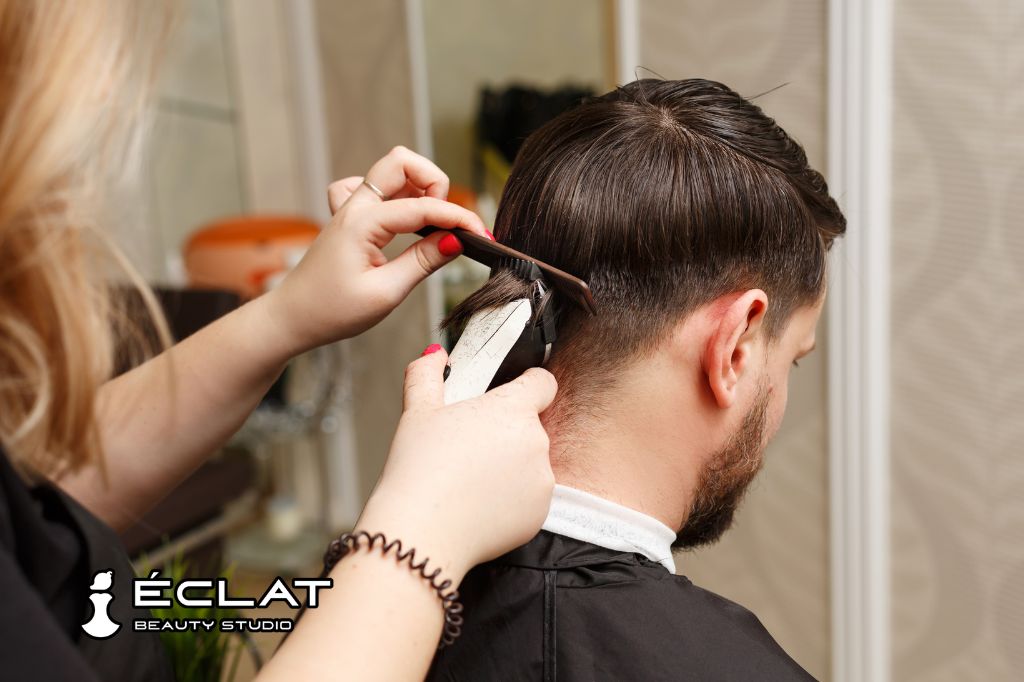
Choosing a men’s haircut is no longer simply about asking for a short cut or a fade. In Toronto, men are increasingly choosing styles based on hair texture, face shape, lifestyle, and how much maintenance they want. From low tapers and textured crops to classic scissor cuts and longer layered styles, 2026 offers plenty of options.
What Are the Best Men’s Haircuts in Toronto in 2026?
The best men’s haircut is one that works with your natural hair, suits your face shape, and fits your daily routine. In 2026, popular men’s haircuts are balancing modern styling with easier maintenance, with tapers, textured cuts, classic scissor work, and natural-looking longer styles all offering versatile options.
Rather than choosing a haircut simply because it is trending, it helps to understand what makes each style different. A good stylist can consider your hair density, texture, growth pattern, face shape, and styling habits before recommending a cut. That small amount of personalization can make the difference between a haircut that looks good for a few days and one that continues to work as it grows out.
1. Low Taper and Taper Fade
Low taper haircuts remain a versatile choice for men who want a clean, modern appearance without an extremely short fade. The gradual transition around the sideburns and neckline keeps the haircut polished while leaving more length around the sides and top.
A taper can work particularly well for men who want something professional enough for work but still modern. Unlike a very high fade, a low taper generally creates a softer transition and can be adapted to different hair lengths and textures.
For someone visiting a Toronto salon for the first time, showing your stylist a reference photo and explaining how short you want the sides can help avoid misunderstandings.
2. Classic Fade Haircuts
Fade haircuts continue to be one of the most recognizable choices in men’s grooming. Low, mid, high, and skin fades offer different levels of contrast, allowing the same basic technique to create very different looks.
A low fade provides a more subtle appearance, while a mid or high fade creates greater contrast between the sides and top. A skin fade takes the sides down extremely short for a sharper finish.
The right fade depends on more than the trend itself. Hair thickness, head shape, growth pattern, and the amount of maintenance you’re comfortable with should all be considered.
3. Textured Crop
The textured crop is a strong option for men who want a shorter haircut with movement rather than a completely uniform finish. It usually combines shorter sides with textured hair on top, often paired with a short fringe.
One reason textured styles remain popular is that they can work with the natural movement of the hair. A stylist can use texturizing techniques to reduce bulk and create separation, while a small amount of styling product can help define the finish.
For men with thicker hair, texture can also make the haircut feel lighter and easier to manage.
4. Classic Scissor Cuts and Side Parts
Not every popular men’s haircut needs to be dramatically modern. Classic scissor cuts and side parts continue to work because they offer a clean appearance without depending on a strong fade or extreme styling.
A classic side part can be adapted to short or medium-length hair and can look appropriate in both professional and casual settings. Scissor cutting also gives a stylist more control over shape and length, particularly when working with medium or longer hair.
For men who prefer a timeless haircut that can grow out naturally, a classic scissor cut can be a practical choice.
5. Layered and Medium-Length Men’s Haircuts
Medium-length and layered men’s hairstyles are another direction worth considering in 2026. Instead of keeping the entire haircut very short, these styles allow more length and movement through the top and sides.
Layers can help remove unnecessary weight while maintaining length and natural movement. They can be especially useful for men with straight or wavy hair who want a relaxed appearance without making the hair look heavy.
Medium-length styles can also create more styling flexibility. The same haircut may be worn naturally, pushed back, parted to the side, or styled with a more textured finish.
6. Curly and Textured Haircuts
Curly hair needs a different approach from straight hair because the natural curl pattern affects both length and shape. A good men’s curly haircut should account for shrinkage, curl direction, density, and how the hair behaves when dry.
Curly fades and tapered sides can create a clean outline while leaving the natural curls visible on top. Alternatively, a stylist can maintain more length and shape the curls with layers.
The most important part is not copying a particular curly hairstyle exactly. Your stylist should understand your natural curl pattern and create a shape that works with it.
7. Low-Maintenance Men’s Haircuts
For many men, the best haircut is simply one that does not require a lot of time every morning. Low-maintenance haircuts are particularly practical for people with busy schedules or those who prefer a natural finish.
A low-maintenance haircut does not necessarily mean a very short haircut. A well-shaped taper, textured crop, classic cut, or medium-length style can all be relatively easy to maintain when the shape works with your natural hair.
During your consultation, tell your stylist how much time you realistically spend styling your hair. A haircut that looks great after 20 minutes of styling may not be the right choice if you normally spend two minutes getting ready.
How Do You Choose the Right Men’s Haircut for Your Face Shape?
Your face shape can help guide the proportions of a haircut, but it should not be the only factor. Oval, round, square, rectangular, heart-shaped, and diamond-shaped faces can each work with many different styles when the haircut is adjusted to the individual’s features.
For example, adding height on top can visually lengthen some face shapes, while softer sides or additional width can create a different balance. A skilled stylist can look at your overall proportions instead of applying a rigid “one haircut per face shape” rule.
Your natural hair texture and personal preference should always be part of that decision.
What Men’s Haircut Works Best for Different Hair Types?
Hair type can have just as much influence on the final result as face shape. Straight, wavy, curly, thick, fine, and coarse hair all respond differently to cutting and styling techniques.
Thick hair may benefit from strategic texturizing or layering to control bulk. Fine hair can often benefit from cuts that create the appearance of density rather than removing too much weight. Curly and wavy hair generally need to be shaped around their natural movement instead of being treated like straight hair.
Before choosing a style from a photo, consider whether the model’s hair texture is similar to yours. Your stylist can then adapt the overall shape to your own hair.
How Often Should Men Get a Haircut?
Most men can expect to need a haircut every few weeks, but the ideal schedule depends on the style and how quickly their hair grows. Short fades and precise tapers usually need more frequent maintenance, while medium and longer styles can often go longer between appointments.
If maintaining a sharp fade is important to you, you may prefer more regular appointments. Someone growing out a layered or medium-length haircut may only need occasional shaping.
Instead of following a fixed schedule, pay attention to when your haircut starts losing its shape or becomes difficult to style.
What Should You Tell Your Hairstylist Before a Men’s Haircut?
The most useful information is often more specific than simply saying “short on the sides.” Tell your stylist how short you want the sides, how much length you want to keep on top, how you normally style your hair, and whether you want an easy-to-maintain finish.
It is also helpful to mention previous haircuts you liked or disliked. If you have a reference photo, bring it along, but remember that your hair may not behave exactly like the hair in the photograph.
A good consultation gives your stylist the information needed to adapt the look rather than simply copy a picture.
Choosing a Men’s Haircut in Toronto
Toronto offers a wide range of options for men’s haircuts, from traditional barber-style cuts to salon-based styling and more specialized hair services. The best choice depends on the type of haircut you want and the level of styling or consultation you need.
When comparing a men’s hair salon or hairstylist in Toronto, look beyond the haircut name. Consider reviews, examples of previous work, stylist experience, cleanliness, communication, pricing, and whether the salon understands your particular hair type.
At Eclat Beauty, men’s hair services can be approached with the same focus on consultation, styling, and personalized results that clients expect from a professional salon. If you’re unsure which style suits you, discussing your hair texture, preferred length, and daily routine with a stylist is a useful starting point.
Why a Personalized Haircut Usually Works Better
A trending haircut is only a starting point. Two men can request the same fade or textured crop and end up with noticeably different results because their hair density, face shape, growth pattern, and styling habits are different.
That is why a personalized consultation matters. Instead of asking only for the name of a haircut, explain the result you want. Your stylist can then adjust the length, texture, taper, layers, and proportions to create something that works specifically for you.
In 2026, that approach fits the broader movement toward haircuts that look intentional but still feel natural and manageable.
Frequently Asked Questions
What is the most popular men’s haircut in 2026?
Tapers, fades, textured cuts, and classic styles remain strong choices in 2026. The popularity of a particular haircut can vary by age, hair type, workplace, and personal style, so there is no single haircut that suits every man.
What is the difference between a taper and a fade?
A taper gradually shortens the hair around areas such as the sideburns and neckline while usually keeping more length on the sides. A fade generally creates a more noticeable transition from longer hair into very short or skin-level sides.
What is the best men’s haircut for thick hair?
Textured crops, layered cuts, tapers, and other styles that strategically remove excess bulk can work well for thick hair. The best choice depends on the hair’s natural texture and how much length you want to maintain.
What is the best haircut for curly hair men?
Curly hair can work with tapered sides, curly fades, layered cuts, or longer natural styles. The best option depends on curl pattern, density, desired length, and how much styling you want to do.
What is the easiest men’s haircut to maintain?
Short tapers, simple textured cuts, and classic short hairstyles can be relatively easy to maintain. However, a haircut is only low-maintenance if it works with your natural hair and does not require extensive daily styling.
How often should men get a fade?
Many men maintain a fade every few weeks because the short sides become noticeable as they grow. The exact timing depends on hair growth and how sharp you want the fade to remain.
How do I choose a good men’s hairstylist in Toronto?
Look at recent reviews, previous haircut examples, services offered, and the stylist’s experience with your hair type. A consultation is also useful because it lets you explain your preferred style and maintenance routine before the haircut begins.
